
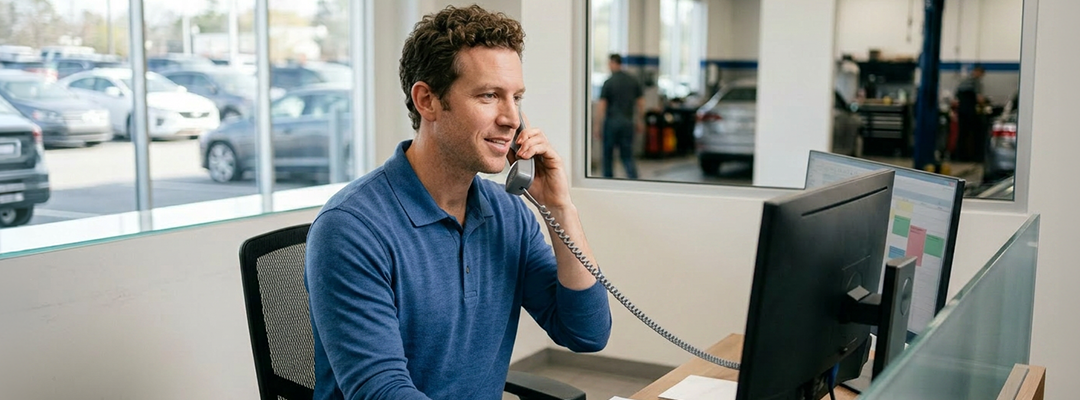
At most dealerships, recalls are seen as a responsibility, not a strategy. The focus is usually on getting the work done and moving on. But that narrow view overlooks one of the most practical retention opportunities in fixed ops. A recall gives the dealership a legitimate reason to reach out, bring the customer back, and start rebuilding the relationship.
The opportunity is already sitting in your data. The question is whether you’re using it.
In a recent episode of Retention Roadmap, Bill Springer sat down with Adam Mancuso, CEO of Automotive Data Analytics, to break down why recalls are one of the most underutilized levers in fixed ops and how dealerships can turn them into a consistent driver of retention, revenue, and even conquest.
Recalls Are a Built-In Reactivation Channel
Think about how most service marketing works. You’re trying to give customers a reason to come back with reminders, promotions, and follow-ups, all designed to create urgency.
With recalls, that urgency already exists.
The vehicle needs attention, and the customer doesn’t have to pay for the repair. That changes the dynamic completely. Instead of convincing someone to come in, you’re helping them take care of something they already need.
Recalls tend to bring in regular customers, people who haven’t visited in a long time, or even those who have never been to your dealership at all.
That’s what makes them so valuable. They create a natural opportunity to reconnect without the friction that usually comes with it.
Phone-First Outreach Still Drives the Best Results
It’s easy to default to text and email when building a recall outreach strategy. They’re fast, scalable, and easy to automate.
But they’re not always the most effective way to start the conversation.
Dealerships that consistently perform well with recall campaigns tend to rely on phone calls first. A quick conversation allows the advisor to:
- Explain the recall
- Address any concerns
- Secure an appointment on the spot
Text and email still have value, particularly as follow-up tools. But when it comes to getting customers to take action, a direct conversation often makes the difference.
It doesn’t require a large team to execute. A simple, consistent calling process is often enough to significantly improve results.
Clean Data Is the Foundation
One of the biggest barriers to effective recall outreach is actually data quality.
Most dealership systems contain some level of inaccuracy, whether it’s:
- Outdated ownership records
- Duplicate entries
- Mismatches between OEM and DMS data
Over time, those small issues add up and create real friction, which results in teams spending time reaching out to the wrong customers while missing the ones who actually need service.
From the customer’s perspective, those missteps can quickly erode trust.
Improving recall performance often starts with cleaning up the data. When the information is reliable, outreach becomes more targeted, conversations are more productive, and the entire process runs more smoothly.
Process Alignment Is Everything
Even with strong data and consistent outreach, recall efforts can fall apart without internal alignment.
One of the most common issues is a disconnect between departments. Service may be ready to schedule appointments, and marketing may already be driving outreach, but if parts aren’t available or the process isn’t clearly defined, the experience quickly breaks down.
The disconnect is where frustration starts for both the customer and the team.
A successful recall strategy depends on coordination across the dealership. Service, parts, and marketing all play a role, and each piece needs to be aligned before outreach begins.
That means confirming parts availability, setting clear expectations for scheduling, and making sure everyone understands the process from first contact to completed repair.
When those elements are in sync, recalls become much easier to execute and far more effective.
Recalls Unlock Customer Pay and Long-Term Retention
At first glance, recalls don’t appear to be a major revenue driver. The work is covered, margins are limited, and the focus is often on efficiency, but that view misses the bigger picture.
A significant portion of recall visits lead to additional customer-pay work. The reason is simple: many of the vehicles coming in are overdue for service or have needs that haven’t been addressed.
The service team has the opportunity to:
- Inspect the vehicle
- Have a conversation that they otherwise wouldn’t have had
- Provide value beyond the initial repair
When handled thoughtfully, that interaction can lead to more than just a single repair order. It can reestablish trust, reopen the relationship, and set the stage for continued service in the future.
This Is Both a Retention and Conquest Opportunity
Recalls are often viewed strictly as a retention tool, a way to bring existing customers back into the service lane. But in practice, they go beyond that.
Many vehicles with open recalls aren’t actively servicing with your dealership. Some were purchased elsewhere, and others may have shifted their service business to an independent shop over time. In some cases, the customer may have little to no relationship with your store at all.
It’s what makes recall outreach unique, and creates a natural opportunity to:
- Introduce your dealership
- Provide a positive service experience
- Begin building a relationship where one may not currently exist
Unlike traditional conquest efforts, this interaction starts with a clear and relevant reason to engage. The customer isn’t being asked to consider switching — they already have a need.
How that first experience is handled often determines whether it remains a one-time visit or turns into something more.
Timing and Execution Matter More Than Tools
A well-designed recall strategy can still fall short if execution happens at the wrong time.
Reaching out before the dealership is ready creates unnecessary friction. Customers respond, schedule, and then run into delays, which can create a rough experience for the dealership to recover from.
Strong execution starts with preparation.
- Confirming parts availability
- Aligning internal teams
- Setting clear expectations for the customer experience
Once those pieces are in place, outreach becomes far more effective, and the experience feels seamless from the customer’s perspective.
Final Takeaways
In many ways, recalls highlight a broader theme in fixed operations: the opportunities that drive the most impact are often the ones already in front of you.
They don’t require new tools or complex campaigns, but instead require clarity, coordination, and a consistent approach.
When dealerships take the time to align their teams, clean up their data, and engage customers thoughtfully, recalls become more than a repair, but a point of reconnection as well.
In a business where long-term relationships matter, those moments add up. Listen to the full episode here.
Need help making retention feel automatic?
DriveSure helps dealerships turn oil changes into lasting relationships—with renewable benefits, service-lane prepaid maintenance, and customer-first communication tools that drive results. Book a consultation today.