
Most dealerships say customer relationships matter, but few actually treat them like the retention strategy they are. According to Ron Maki, a fixed ops veteran with nearly four decades of experience (including corporate leadership roles at Volkswagen of America), the key to long-term loyalty isn’t buried in a tool or dashboard. It’s in how you show up, literally.
In a recent episode of Retention Roadmap, Ron breaks down what separates forgettable service visits from the ones that bring customers back for years. From walkaround etiquette to using video MPI the right way, he makes one thing clear: when you lead with trust, technology, and transparency, retention becomes a whole lot easier.
Advisor Behavior & Trust-Building Tactics
For Ron, everything starts at the service drive, especially how your advisors show up. In his words, the goal is to become “my mechanic” to the customer: someone they trust instinctively, not just someone who writes up tickets. And that level of trust starts with presence.
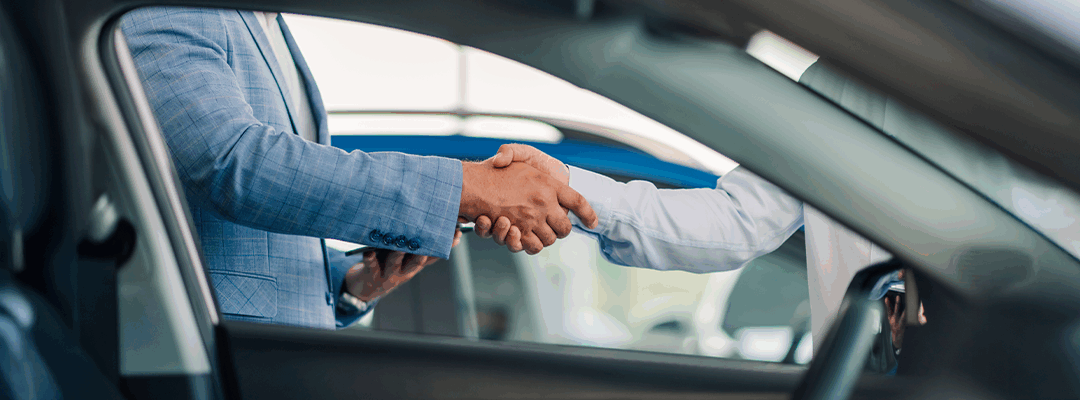
The most common mistake? Leading with a tablet instead of a handshake.
Ron encourages advisors to physically walk out to the customer’s vehicle empty-handed. Forget the VIN, the mileage, the tag — none of that matters to the customer in that moment. What does matter is that someone looks them in the eye, thanks them for coming in, and asks what brought them there.
This kind of interaction sets the tone for the entire visit by:
- Showing the customer they’re more than a transaction
- Reducing customer anxiety
- Re-establishing the advisor as a partner rather than a salesperson
Ron also emphasizes the power of what he calls connectors: those small, human observations that break the ice, like:
- A child’s car seat
- Bumper stickers
- A logo on a t-shirt
These aren’t distractions. They’re doorways to trust. And for anxious or skeptical customers, those moments of connection can make all the difference in whether they return next time.
Using Technology to Support Relationships
Too often, dealerships treat technology as a replacement for human connection. But according to Ron, its real power lies in reinforcement.
Take video MPIs, for example. Ron sees them as the modern version of “my mechanic.”
When done right, they replicate the trust once built by a technician with grease-stained hands and a friendly explanation in the bay. Now, it’s a short, clear video showing a worn brake pad or leaking gasket, which gives the customer visibility into their vehicle’s condition, not just a verbal report.
But here’s the catch: turning the camera on isn’t enough.
Dealerships need a repeatable, coached process for creating videos that are concise, helpful, and easily understood by someone with no mechanical background.
When the technician’s clip connects to a prior walkaround or references a concern the customer already mentioned, that transparency builds immediate credibility.
Ron also emphasizes the untapped potential of OEM apps.
These tools can streamline scheduling and capture customer insights, but only if the customer actually uses them.
That’s why he believes the first service appointment and app enrollment should happen at delivery, ideally led by the service department. Relying on sales to make the handoff simply doesn’t work, and by the time BDC tries to re-engage the customer, it may be too late.
The key takeaway? Technology should make life easier for the customer and the advisor. But it should never get in the way of the relationship.
Shifting the Conversation from Price to Value
Maki puts it plainly: if you lead with price, you’re setting yourself up for resistance. But if you lead with value, what’s in it for the customer, you change the conversation completely.
“It’s leaking—you need a replacement. That’ll be $700.”
Ron’s approach reframes it:
“Let’s get this taken care of so you can head to Arizona this weekend without any worries.”
That subtle shift turns a repair into a benefit. It’s not just about fixing a leak. It’s about making sure the customer feels confident and safe behind the wheel.
He recommends focusing on three key elements:
- Peace of mind – Help the customer see how the repair supports their plans
- Safety and comfort – Frame recommendations around their well-being, not just technical issues
- Long-term vehicle health – Reinforce that proactive care today prevents bigger problems later
Keep in mind that price matters more for maintenance. Customers will shop those services, so your pricing needs to be competitive. But with repairs, the emphasis should be on clarity, trust, and the personal value the customer gets from approving the work.
And when possible, tie everything back to what the customer can see — a video clip, a walkaround conversation, or a concern they mentioned. When your recommendations align with what the customer already suspects or observes, it’s no longer a sales pitch. It’s just good service.
Final Takeaways: Make Trust the Default
If there’s one message Ron Maki wants dealerships to hear, it’s this: stop waiting for loyalty to happen; build for it.
That means acting like the customer is going to come back, and giving them every reason to. Throughout the episode, Ron shared a simple, people-first blueprint for improving retention, built around five core ideas:
- Start with the relationship
- Use technology to support, not replace
- Frame service as a benefit, not a bill
- Take ownership of the experience
- Hire for attitude, not just experience
When you lead with trust, communicate with clarity, and use the right tools at the right time, you don’t have to fight for retention. You earn it.
Want to hear the entire conversation? Listen to the full episode here.
Need help making retention feel automatic?
DriveSure helps dealerships turn oil changes into lasting relationships—with renewable benefits, service-lane prepaid maintenance, and customer-first communication tools that drive results. Book a consultation today.