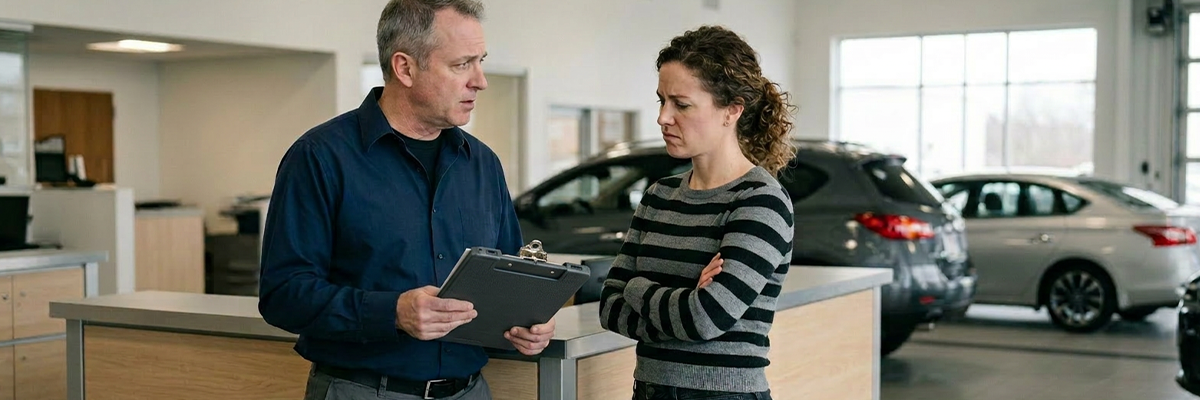
The Real Retention Problem Most Dealerships Never See
New retention data reveals how small service frustrations quietly push dealership customers toward competitors.
3 min read

Bill Springer : Published Updated
Most dealerships don’t lose customers because of a single bad experience. They lose them because of weak processes and missing accountability. A service visit feels inconsistent, a recommendation gets skipped, or a new tool is rolled out without real follow-through.
That’s why Robert Migliaccio, Service Director at Carter Myers Automotive, believes the real retention strategy isn’t about what technology you buy, but how you hold your people, your processes, and your tools accountable.
In this post, we’ll break down his approach and show why process discipline is the unsung hero of fixed ops success.
It’s tempting to think that the right technology will solve your retention challenges. Add video MPIs, texting platforms, or kiosks, and suddenly customers will be more engaged, more trusting, and more loyal. But as Robert points out, tools alone don’t move the needle, processes do.
A tool is only as effective as the process behind it. If video inspections aren’t a required part of every RO, they’ll get skipped. If text updates aren’t baked into advisor workflows, customers will still feel left in the dark. Without accountability, “adoption” becomes optional, and retention results stay flat.
That’s why Robert emphasizes process discipline over chasing the next shiny object. The latest technology doesn’t make a difference is there aren’t repeatable processes that hold people and tools accountable. Only then does the investment pay off in trust, transparency, and repeat business.
Accountability only works when it’s obvious and unavoidable. At Carter Myers Automotive, Robert made sure that if a technician couldn’t—or wouldn’t—use their phone for video inspections, the dealership provided iPads. No excuses. The expectation was clear: every inspection gets a video.
And it’s not just about capturing footage. Every video is reviewed, which keeps the process honest and consistent.
Customers see exactly what the technician saw, and advisors are required to match their estimates to the same findings. That alignment closes a trust gap that has existed in service drives for decades. No more wondering if an advisor left something out or padded the recommendation.
This kind of visibility creates accountability in two directions. It reassures customers that they’re getting the full picture, while also strengthening trust between techs and advisors. When everyone can see the same evidence, there’s less second-guessing, fewer disputes, and a stronger culture of collaboration in the service lane.
You can’t hold people accountable if you don’t know what success looks like. That’s why Robert pays close attention to the numbers that reveal whether a process is working—or just going through the motions.
At CMA, video inspections aren’t judged only by whether they’re completed. They’re judged by results:
When you measure what matters and share those numbers with the team, you make accountability practical. Everyone can see the connection between process quality and revenue, which keeps the focus on consistency instead of cutting corners.
Accountability isn’t about micromanaging, it’s about creating clarity. When expectations are clear and processes are consistent, employees stop guessing and start executing with confidence. That confidence is what customers feel at the counter, and it’s what keeps them coming back.
At Carter Myers Automotive, accountability is part of the culture:
Retention doesn’t happen by accident, it happens by process. Tools like video inspections, texting, or kiosks only deliver results when they’re backed by clear expectations, visible accountability, and measurable outcomes.
Robert Migliaccio’s experience shows that when you remove excuses, review performance, and coach with data, you don’t just improve one inspection or one service visit. You build a culture where accountability drives trust—between techs and advisors, between the dealership and the customer, and ultimately between the brand and the community.
Dealerships that embrace this mindset turn everyday processes into a retention advantage. And in a business where nearly half of new-vehicle buyers don’t return for the first service, that advantage is everything. Listen to the full episode here.
DriveSure helps dealerships turn oil changes into lasting relationships—with renewable benefits, service-lane prepaid maintenance, and customer-first communication tools that drive results. Book a consultation today.
New retention data reveals how small service frustrations quietly push dealership customers toward competitors.

From the lack of oil changes to surprising customer service challenges, EVs require a new approach to retention.
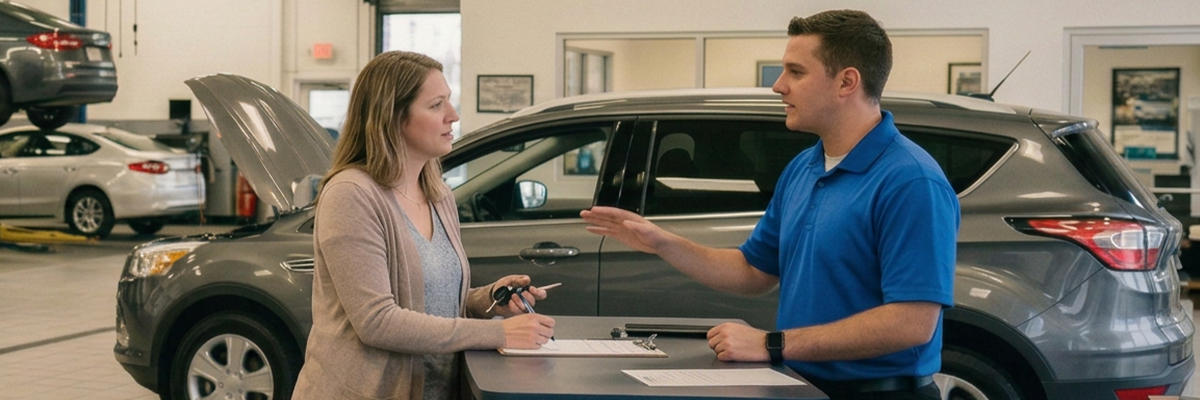
Dealership service retention suffers when outdated processes no longer match customer expectations for ease, transparency, and convenience.