How Dealerships Deal When Tire Coverage Falls Flat
When a new car owner hears bumper-to-bumper warranty, they often think that means top-to-bottom coverage. But that’s not necessarily true, especially...
3 min read
Bill Springer : Published Updated
If you are looking for a new way to gain and maintain market share of new car sales and service in your area, consider creating a geofencing strategy.
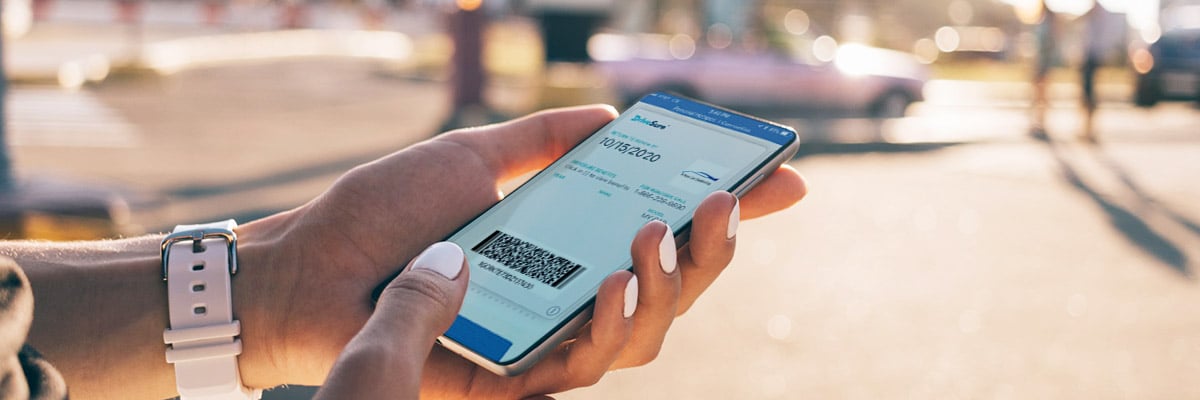
Geofencing uses radio frequency identification (RFID), GPS, Bluetooth, and other technologies to trigger the delivery of messages to a user’s mobile device based on their location (this only works if their location finder is on). Using this technology, you can send messages to a specific audience, suggesting they return to your dealership for service, and ultimately keeping them loyal to you when they need their next vehicle. These messages appear on user’s devices — displayed in apps and on websites — for a select period of time after they enter the geofenced area.
The best geofencing strategies will pair the right place, right time benefits of location-based marketing with a compelling message — prompting individuals who typically seek service from other providers to consider your dealership when they are in the market for preventative maintenance, tires, and repairs. Additionally, directly reaching out to your current car owners keeps your dealership top-of-mind when they are looking for a new vehicle.
In this post you will find ideas for improving your customer retention and maintaining your market share by implementing post-purchase geofencing activities.
Although the car buying process is different for everyone, there is a common thread: When making a decision, many car shoppers perform actions like comparing models, researching prices, and locating dealers with available cars on a digital device.
One study revealed that over the span of three months a single shopper performed more than 900 digital car shopping-related interactions — 71% of which were on a mobile device. The same behavior rings true for service and repairs as well. When the need arises, consumers reach for their mobile devices.
Over the span of three months a single shopper performed more than 900 digital car shopping-related interactions — 71% of which were on a mobile device.
As a rising volume of searches and clicks continues to contribute to each customer’s journey, and with each interaction leaving a trail of digital breadcrumbs, the ability for dealers to create hyper-targeted advertising solutions that go head-to-head with their nearest competition has become a reality.
In fact, digital traffic has already begun to create geofencing marketing opportunities for dealerships. Many are already using real-time location targeting approaches like geofencing to take back sales and service opportunities by pinpointing shoppers at specific locations and redirecting them to their dealership with a better deal just before the critical point of purchase.
To get the most out of your geofencing strategy, find a technology like the Digital Pass from DriveSure that offers more than the standard geofencing message delivery. We suggest one that:
Here are three ways you can use mobile geofencing to keep your dealership top-of-mind and improve your customer retention numbers:
The right geofencing approach can create new growth and revenue opportunities for your dealership by keeping your company top-of-mind. In this example, McKie Ford-Lincoln in Rapid City, S.D. geofenced a competitor’s store after learning it was outselling them in key areas.
As shoppers crossed onto the competitor’s property, McKie Ford-Lincoln sent them a display ad message with a special offer for a new vehicle purchase at its neighboring location. Over the span of two years, McKie Ford-Lincoln could attribute as many as 12 new car sales to at least one of its geofencing campaigns.
Because those who are actively searching for a vehicle are the ones targeted, the technology offers a higher conversion rate than other marketing tactics. The difference between traditional advertising and location-based geofencing shows most in the quality of customer coming through the door.
In another example, a luxury car dealership created a campaign that attracted 500 new car prospects to its website and 132 to its showroom by building geofences around local competitive dealerships and setting up a conversion zone around its own property. During the 30-day campaign, team maximized its impact by evaluating the best performing ads and reallocating campaign budget to the best performing geofences.
__________
At the end of the day, your goal is to get your customers and prospects to spend their money with you. So, if you are hesitant about targeting a competitor’s location, start somewhere else with a high concentration of likely car shoppers.
The key to your success is to watch the metrics and make changes so that the campaigns you implement deliver a competitive edge that:
FREE RESOURCE
Unlock the secrets of mastering the all-important sales-to-service handoff and watch your customers come back again and again.
When a new car owner hears bumper-to-bumper warranty, they often think that means top-to-bottom coverage. But that’s not necessarily true, especially...
If you love your car as much as we do, take the time to do a vehicle walk-around on a monthly basis. Here are quick and easy tips for inspecting...
When an unexpected repair pops up, vehicle owners look for the most convenient solution. Here’s how to make sure your dealership is the answer.